
Royal Mail Letters Dumped in Derry: What to Know
Royal Mail is investigating letters found dumped near Derry. Read the confirmed facts, what remains unknown, and what to check if important mail is missing.
Contents
Royal Mail is investigating after hundreds of undelivered letters were found discarded near Derry/Londonderry. The company says it will recover and process the items so they can re-enter the postal network and reach their intended recipients, according to its statement to ITV News UTV.
If you are waiting for an important letter, the immediate priority is to contact the sender and check whether an appointment, payment or response deadline needs attention. A missing letter does not, by itself, establish that your correspondence was among the recovered items.
Information checked: 6 November 2026. This article concerns the local incident and practical next steps, rather than a nationwide suspension of postal services.
What has been reported in Derry?
ITV's report, published on 6 November, describes discarded mail found near Mobuoy Road. It says the correspondence included sensitive personal material, such as medical letters, and that police had collected it. Foyle MLA Mark H Durkan called for an investigation and accountability.
BBC News NI's reporting, syndicated by AOL and updated on 5 November, puts the number handed into Durkan's office at an estimated 600 unopened letters. It also describes a separate discovery near Victoria Road. That is a reported estimate, not a final audited count.
The Derry Journal's 5 November report quotes Durkan describing correspondence apparently relating to health appointments, government matters and banking. These categories explain the concern; they do not establish that every letter of those types in the area has been affected.
What remains unconfirmed?
The reports reviewed do not establish who discarded the mail, a motive, or a complete list of affected recipients. Royal Mail's statement confirms an investigation and plans to return recovered items to the network; it does not give an individual delivery date for every letter.
The accounts also differ on when the first discovery was brought to Durkan's attention. For that reason, this article does not assign a definitive discovery time or present a reconstructed minute-by-minute timeline.
Do not treat an image of abandoned envelopes, an unverified postcode list or a neighbourhood social-media post as confirmation that your own correspondence was involved.
Waiting for an important letter? Start with its sender
The following is a practical checklist, not a special recovery procedure announced for this incident. Royal Mail's official missing-item guidance directs recipients to contact the sender, who can make enquiries. Delivery aims and loss-claim rules depend on the service used.
| What you are waiting for | First useful check | Information to record |
|---|---|---|
| A hospital or clinic appointment | Contact the provider through its official published contact route; ask whether an appointment has been issued | Department, appointment date if known, and any agreed follow-up |
| A government or benefits letter | Ask the issuing department whether it sent a decision or request and whether a response is required | Letter date, case reference and the deadline it confirms |
| A bank card or financial correspondence | Contact the bank through its app, official website or a number you already trust | What was dispatched and the bank's advice on the missing item |
| An ordinary personal or business letter | Ask the sender when, where and by which service it was posted | Posting date, address used and any tracking or enquiry reference |
Explain that the letter has not arrived and ask what alternative information or replacement the sender can provide. If a deadline may have passed, ask the organisation to explain the available next steps. Do not assume the news report automatically extends a deadline or reverses a missed appointment.
For example, knowing that letters have been recovered will not tell you whether your clinic booked an appointment for next week. Contacting the clinic can resolve that question while the postal enquiry continues.
Keep a short record of your enquiry
- Confirm the basics: the intended delivery address, sender and approximate posting date.
- Use tracking if a reference exists: Royal Mail's missing-item page links to its official tracking service. An ordinary letter may not give you an item-level tracking reference.
- Write down the response: keep the date, enquiry number and any action promised by the sender or postal operator.
- Separate delivery from the underlying issue: ask both where the letter is and whether you need to act on its contents before it arrives.
If the issue turns out to be an attempted delivery, use our Royal Mail redelivery and collection guide. If you need to investigate compensation for a missing parcel, see the separate Royal Mail lost-parcel claim guide. Neither process is evidence that an item was among the Derry letters.
Be careful with personal information and follow-up messages
If you believe sensitive correspondence may be involved, explain that concern privately to the sender and Royal Mail. Ask what is known about your particular item and what protective steps, if any, they recommend. Avoid posting readable envelopes, full addresses, medical details or account references publicly.
Be cautious if a message claims you must pay to release a recovered letter. Visit the official website independently rather than following an unfamiliar link. Royal Mail's scam-protection advice identifies suspicious delivery notifications and requests for payment or personal information. This is general precautionary guidance; it is not evidence of a scam campaign connected to this incident.
Where to check for further updates
Use the linked reporting for developments in the investigation and Royal Mail's service-update page for its general daily operational notices. On 6 November, the latter said UK delivery and collection services would take place, while noting local operational delays.
That page serves a different purpose from an incident report. Its general network status cannot confirm whether a specific recovered letter has been processed or delivered. Obtain that information through the sender or the operator's official help route.
Sources and photograph
- ITV News UTV, 6 November 2026: direct reporting and Royal Mail's statement.
- BBC News NI via AOL, updated 5 November 2026: reported estimate and further discovery.
- Derry Journal, 5 November 2026: local reporting and Durkan's comments.
- Royal Mail: missing items, service updates and scam protection.
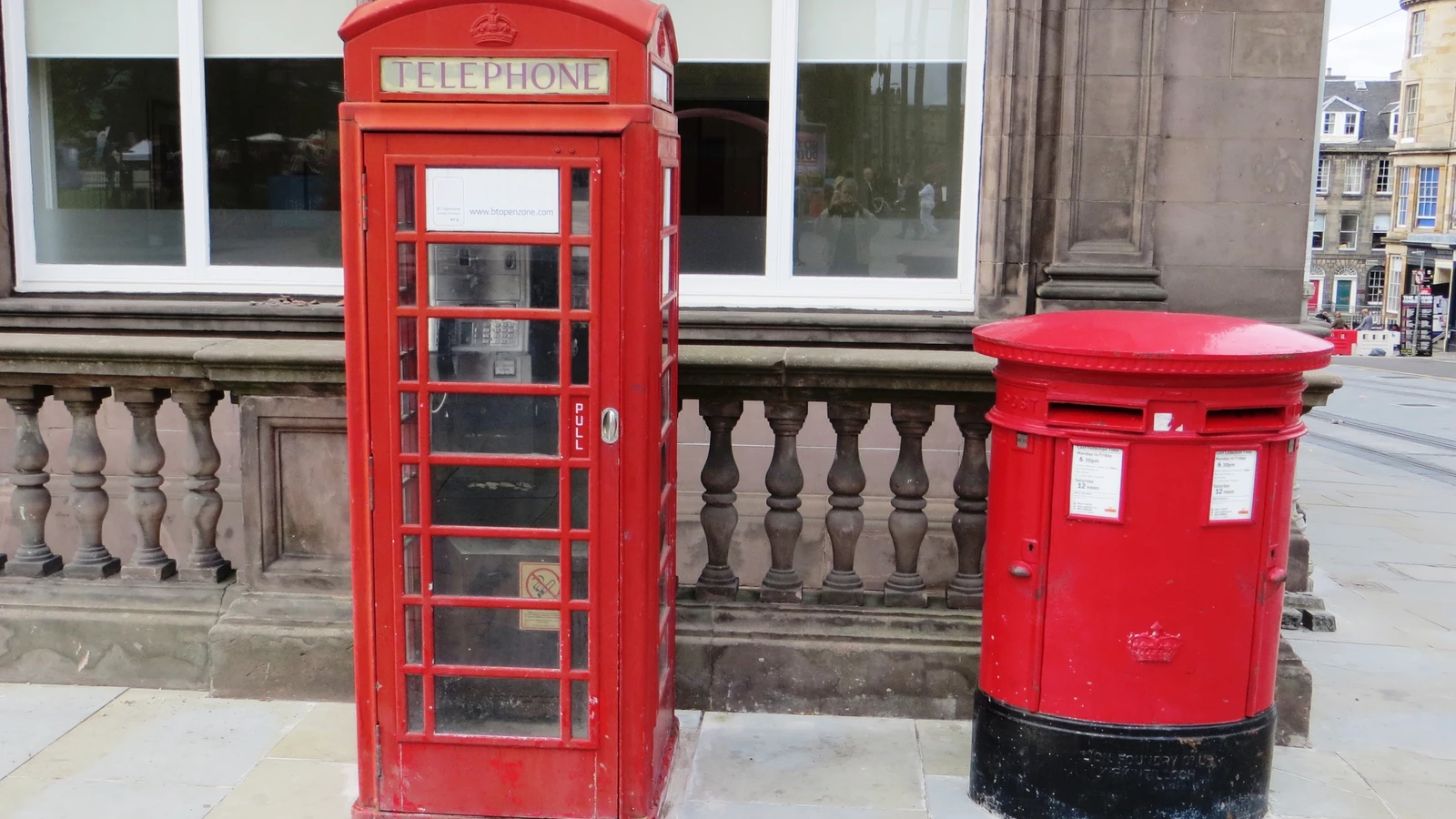
Featured photograph: a Royal Mail postbox and a telephone box in Edinburgh, photographed on 10 August 2013 by Dickelbers, licensed CC BY-SA 3.0. Cropped and converted to WebP; the derivative retains that licence. This is a general illustration, not a photograph of the Derry incident. Horus Valley is not affiliated with Royal Mail.
You may also like
 Useful Information
BC Ferries Cancellations: Check Sailings and Refunds
Check BC Ferries cancellations by route, understand rebooking and refunds, and avoid missing the special vehicle rules at…
 Useful Information
Canada Budget 2026: Benefits and Proposed Changes
Canada Budget 2026 explained: proposed grocery support, caregiver credit, workers benefit changes and heat pump help, with amounts,…
 Useful Information
Australia Card Surcharge Ban: Which Fees Can Still Apply?
Understand Australia’s card surcharge ban, which service and holiday fees can still apply, how to check a bill,…