
Australia Card Surcharge Ban: Which Fees Can Still Apply?
Understand Australia’s card surcharge ban, which service and holiday fees can still apply, how to check a bill, and where to raise a complaint.
Contents
- What changed on 1 October 2026?
- Card surcharge, service fee or holiday surcharge?
- Three worked bill examples
- 1. A card-only fee at the counter
- 2. A disclosed Sunday restaurant surcharge
- 3. An unavoidable booking fee
- Can a business raise prices or offer a cash discount?
- What to do if you have been charged
- Who handles which type of complaint?
- Official sources and image credit
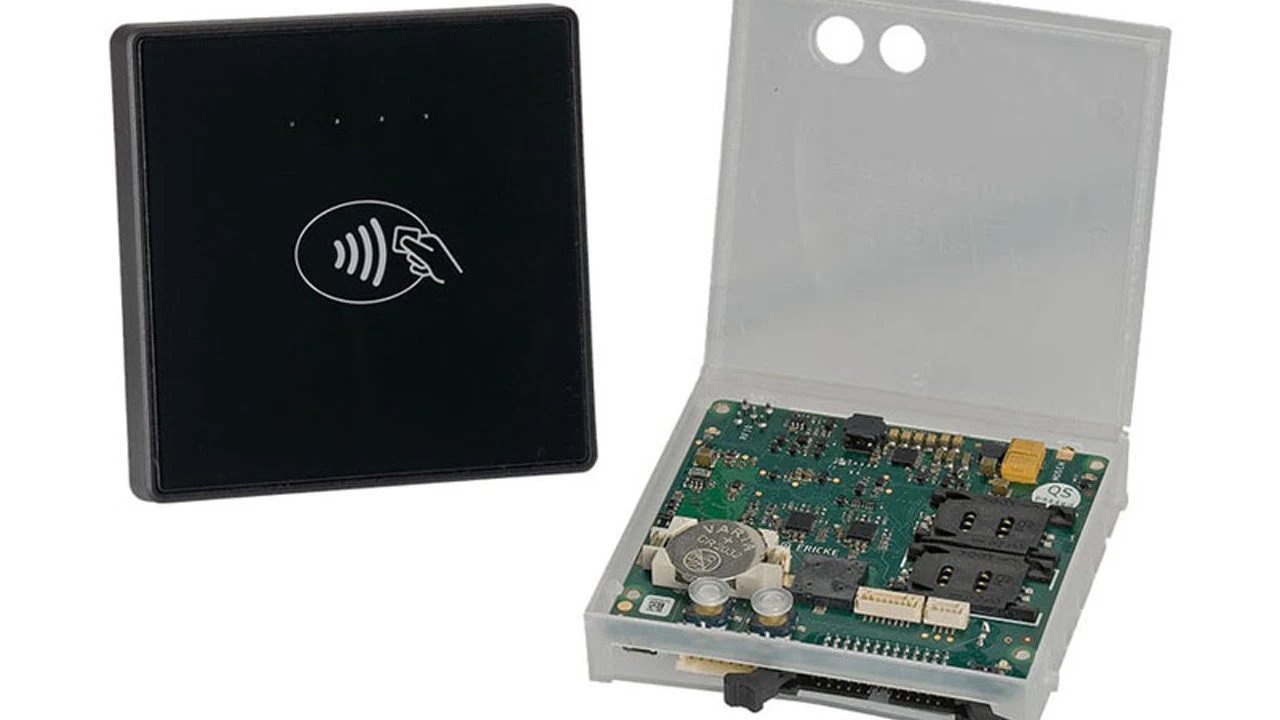
Australian businesses generally cannot add a separate fee simply because you pay by eftpos, Visa, Mastercard or American Express from 1 October 2026. Weekend, public holiday, booking and service fees are different: some can still apply, but pricing must be clear and the charge must genuinely be separate from the payment method.
The useful question is therefore not just “Is there an extra fee?” Ask what triggers it, which payment network was used, and how the full price was disclosed. Renaming a card surcharge a “service fee” does not automatically make it acceptable.
Checked on 6 November 2026. This guide concerns payments to Australian businesses. Examples are illustrative and all dollar amounts are Australian dollars. It explains general guidance, not a determination about an individual dispute.
What changed on 1 October 2026?
Following the Reserve Bank of Australia's review, the designated eftpos, Mastercard and Visa networks introduced no-surcharge rules. These cover debit, credit and prepaid cards on those networks. American Express also removed surcharging, as explained in the ACCC's current guidance.
The mechanism matters: the RBA changed its regulatory framework to allow the networks' rules, while merchants normally deal with their bank or payment service provider. The RBA does not directly regulate merchants. See its current surcharge FAQs rather than older guidance about merely limiting surcharges to processing costs.
The network industry body's consumer FAQs say the rules cover in-store, online and digital transactions, including cards stored in mobile wallets. An overseas-issued card used at an Australian business is also covered by the relevant rules. An Australian-issued card used with an overseas business does not make Australian rules apply to that business.
There can be exceptions where applicable law or regulation expressly permits a charge. The industry FAQs identify taxi payment surcharges as an area for state and territory regulators. Check the particular service and jurisdiction before treating every extra payment fee as prohibited.
Card surcharge, service fee or holiday surcharge?
Use this table to classify the charge before deciding what to challenge.
| What you see | What matters | First check |
|---|---|---|
| An extra percentage appears only when you select a covered card | The fee is triggered by paying by card | Ask the business to explain and remove it unless a relevant exception applies |
| A restaurant adds a Sunday or public holiday percentage for all payment methods | It is linked to the day of service, not the card | Check the menu disclosure before ordering |
| A booking or service fee applies regardless of payment method | It may be a separate fee, but price-display obligations still apply | Compare the advertised price with the minimum total payable |
| A “service fee” appears only after you select a card | The label does not resolve the payment-method issue | Ask what service it buys and whether it applies to other methods |
| The standard menu or shelf price has increased | A general price change is different from a card surcharge | Check that the displayed price and the explanation are not misleading |
The ACCC warns against relabelling a card surcharge to avoid network rules. Equally, a fee being outside those rules does not exempt it from consumer-law requirements.
Three worked bill examples
These examples show how to identify the issue; they are not reports about actual businesses.
1. A card-only fee at the counter
A shop displays an item at $36. The terminal adds 1.5% only when the customer pays by Visa, producing $36.54. The extra 54 cents is linked to the payment method. Ask the business to clarify why it remains and, if incorrectly applied, remove or refund that amount.
Changing the receipt label to “processing” would not answer the question. Record both the displayed price and the payment-method explanation.
2. A disclosed Sunday restaurant surcharge
A restaurant meal totals $72 and a properly disclosed 10% Sunday surcharge applies irrespective of how the customer pays. The calculation is $72 + $7.20 = $79.20. That is a day-based hospitality surcharge rather than a card surcharge.
The ACCC's price-display guidance explains the restaurant and cafe exception: a weekend or public holiday surcharge need not be included in every menu price, but the surcharge wording must be at least as prominent as the most prominent menu price, and customers must know before ordering.
3. An unavoidable booking fee
An activity advertises a $64 ticket but every customer must also pay a calculable $4 booking fee. The minimum total is $68. Calling the $4 a booking fee does not remove the obligation to display the minimum total prominently under the applicable price-display rules.
These are different issues: the first asks why a card triggers a fee; the third asks whether the unavoidable total was properly disclosed. Keep them separate when describing your complaint.
For help checking percentages, see our percentage calculation guide. Always identify the amount to which the percentage is applied rather than guessing from the final total.
Can a business raise prices or offer a cash discount?
Yes. The Australian Government's business guidance tells businesses to review pricing and payment arrangements following the change. Card acceptance still has costs; removing a separate surcharge does not mean every item must become cheaper.
The ACCC says businesses can incorporate payment costs into general prices, but must not mislead customers about prices or the reasons for increases. A higher overall price is therefore not, by itself, proof that a business is evading the rules.
Payment-method discounts can also be offered. The ACCC's consumer guidance says they should be disclosed before the decision to book, order or pay, with the full undiscounted price displayed. A cash discount should not disguise a card fee through an artificially incomplete headline price.
What to do if you have been charged
The ACCC's consumer surcharge page recommends asking the business what the charge is for first. If it confirms a card surcharge, ask for a refund. If unresolved, the relevant network, bank or payment provider may be the next route.
- Keep the evidence. Retain the itemised bill and EFTPOS receipt, the date, fee amount and any relevant menu or checkout display. Do not publish full card details.
- Ask one clear question. “Was this amount added because I paid using this card, or does it apply regardless of payment method?”
- Request a correction where appropriate. Identify the particular fee rather than assuming the entire purchase should be refunded.
- Match the escalation to the issue. Card-network compliance and misleading pricing are separate routes, set out below.
A short message could read: “On [date], I paid [amount] and my receipt shows an additional [fee]. Please explain what triggers it and whether it applies regardless of payment method. If it was an incorrectly applied card surcharge, please refund the surcharge and confirm the correction.”
Who handles which type of complaint?
| Issue | Appropriate next route | Important limit |
|---|---|---|
| A covered card surcharge remains after the business refuses a refund | Relevant card network; your bank or the business's payment provider may also assist | For eftpos, ACCC directs consumers to the card-issuing bank |
| A misleading menu, checkout price or explanation | State or territory consumer protection agency; concerns can also be reported to ACCC | ACCC does not resolve individual pricing complaints |
| A business needs help changing terminal or online payment settings | Its bank or payment service provider | Disabling a terminal setting may not update every checkout channel |
The first two routes follow the ACCC's consumer guidance. ACCC does not enforce the networks' no-surcharge rules. The RBA's FAQs also distinguish network compliance from misleading-price concerns and direct businesses to their payment providers for implementation support.
Keep the business's response and any case reference. A report to a regulator is not a guarantee of a personal refund or a fixed resolution time.
Official sources and image credit
- RBA: current card-surcharge FAQs.
- ACCC: guidance for businesses, guidance for consumers and price displays.
- AusPayNet-coordinated card-network consumer FAQs.
- business.gov.au: rules effective from 1 October 2026.
Featured photograph: contactless payment terminal by SirRuddy, 19 January 2023, licensed CC BY-SA 4.0. Cropped to 16:9 and converted to WebP, retaining the same licence. General payment illustration, not evidence of an Australian surcharge or a transaction tested by Horus Valley.
You may also like
 Useful Information
BC Ferries Cancellations: Check Sailings and Refunds
Check BC Ferries cancellations by route, understand rebooking and refunds, and avoid missing the special vehicle rules at…
 Useful Information
Canada Budget 2026: Benefits and Proposed Changes
Canada Budget 2026 explained: proposed grocery support, caregiver credit, workers benefit changes and heat pump help, with amounts,…
 Useful Information
Royal Mail Letters Dumped in Derry: What to Know
Royal Mail is investigating letters found dumped near Derry. Read the confirmed facts, what remains unknown, and what…