
T&T Black Soybean Recall: Affected Codes and What to Do
Check the T&T black soybean recall in Canada: affected 300 g packs, UPC, codes and the official instructions for undeclared milk.
Contents
- Which T&T black soybean packs are recalled?
- What to do if your pack matches
- Why undeclared milk matters in a soybean snack
- Milk allergy is different from lactose intolerance
- Questions about the scope of the recall
- Does this cover every T&T product?
- Can I rely on the pack looking or smelling normal?
- Where should I check for changes?
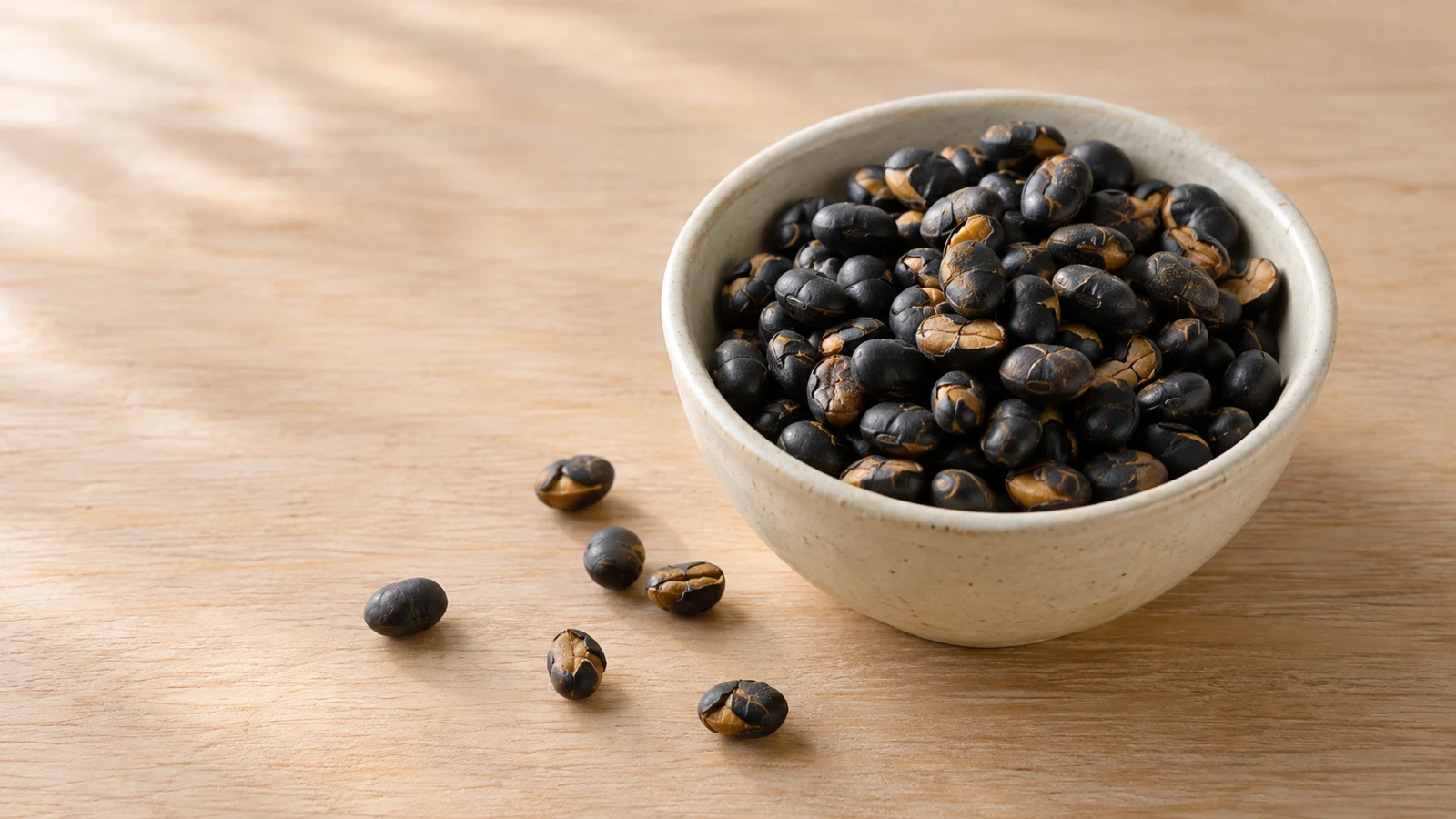
Check the code on your pack: T&T Organic Roasted Black Soybeans, 300 g, are recalled in Canada if they match one of the three codes below. The issue is possible undeclared milk, which matters especially to people with a milk allergy or sensitivity. Return a recalled pack to the place of purchase or discard it.
Which T&T black soybean packs are recalled?
The Canadian Food Inspection Agency’s recall notice, published on 7 November 2026, identifies the following product. Information checked on 10 November 2026.
| Identifier | Affected product | How to check |
|---|---|---|
| Brand and product | T&T Organic Roasted Black Soybeans | Match the full name on the pack |
| Size | 300 g | Check the stated net weight |
| UPC | 7 76703 33812 1 | Compare the digits under the barcode |
| Recalled codes | 2027JA26; 2027JN09; 2027JN10 | A matching pack needs only one of these codes |
| Distribution | Alberta, British Columbia, Ontario and Quebec | These are the provinces named in the notice |
Example: a 300 g pack with the listed UPC and code 2027JN09 matches. Seeing the T&T name on a different snack is not enough to identify that snack as recalled. Match the product, size, barcode and printed code together.
The featured picture is illustrative. Use your own label and the product photographs linked in the official notice to identify a pack.
What to do if your pack matches
The CFIA says not to consume recalled products if you are allergic or sensitive to milk, and not to serve, use, sell or distribute them. Its disposal instruction is to return the product to where it was purchased or throw it away.
- Set the pack aside before it is opened or served again.
- Keep the label available while comparing the identifiers. If you transfer snacks into a household container, check the original packaging if you still have it.
- Photograph the barcode and printed code for your own records before returning or discarding the pack.
- For a return, contact the purchase location about its arrangements. The government notice does not specify receipt requirements or promise a particular refund method.
If the code is smudged or the original pack is missing, do not treat an uncertain match as a confirmed clearance. Ask the retailer to help identify the purchase. A photograph of loose beans cannot establish its UPC or production code.
Why undeclared milk matters in a soybean snack
A product’s main ingredient does not tell you every allergen it may contain. The CFIA’s consumer guide to allergen labelling explains that priority allergens must be declared in the ingredient list, a “Contains” statement, or both. “May contain” statements warn about possible cross-contamination.
For a recalled pack, the recall warning is relevant even if the label you are holding does not list milk. Looking for a milk declaration alone therefore cannot settle whether this particular purchase is affected.
Milk allergy is different from lactose intolerance
Health Canada distinguishes milk allergy from lactose intolerance: allergy involves an immune response to milk proteins and can be life-threatening; lactose intolerance concerns difficulty digesting milk sugar. Do not use the terms interchangeably when assessing an allergen warning.
If you have already eaten the snack and develop signs of a severe allergic reaction, seek emergency medical help immediately. Health Canada identifies breathing difficulty, throat tightness and loss of consciousness among potential serious symptoms. If you have prescribed epinephrine, follow your allergy emergency plan; emergency hospital assessment is still needed after treatment.
Questions about the scope of the recall
Does this cover every T&T product?
The notice identifies the product and codes in the table. It does not establish that every item sold by T&T is recalled. Equally, a code outside the table is not a blanket safety guarantee about every other potential food issue; consult the current official notice for updates.
Can I rely on the pack looking or smelling normal?
The problem identified is an undeclared allergen. Appearance and smell do not replace the product-code check. Do not taste a suspect pack to decide whether it matches the recall.
Where should I check for changes?
Keep the official recall page as your reference for the affected list. For a different product, search the Canadian government recall database rather than assuming this warning applies to it.
For a separate example of reading product identifiers, see Horus Valley’s Miyoko’s butter recall guide for U.S. shoppers. Its products, hazards and return arrangements are separate from this Canadian T&T notice.
You may also like
 Health & Safety
How Long Will Food Last in a Fridge or Freezer Without Power?
A fridge usually keeps food cold for 4 hours without power; a full freezer for about 48 hours.…
 Health & Safety
Bomberry Recall: Affected Products, Dates and Refunds
Check the Bomberry 150g recall, affected flavours and best-before dates. Follow retailer-return or manufacturer email refund instructions in…
 Health & Safety
What Are Peptides? Approved Medicines vs Online Products
Understand peptides, approved medicines and unapproved online products. Check Australian registration, safety warnings and questions to ask your…