
Aloe in Egyptian Mummification: What the New Evidence Shows
A new study links Aloe-derived compounds to Egyptian embalming materials. Explore the samples, plant-name uncertainty, and what the findings cannot establish.
Contents
- What did the researchers examine?
- What makes the chemical evidence useful?
- Aloe does not automatically mean Aloe vera
- Why two objects cannot tell us how common its use was
- A real embalming object—and a necessary image distinction
- What was Mumia vera, and did the study prove a medicine?
- What is the discovery’s real value?
- Sources and image credits
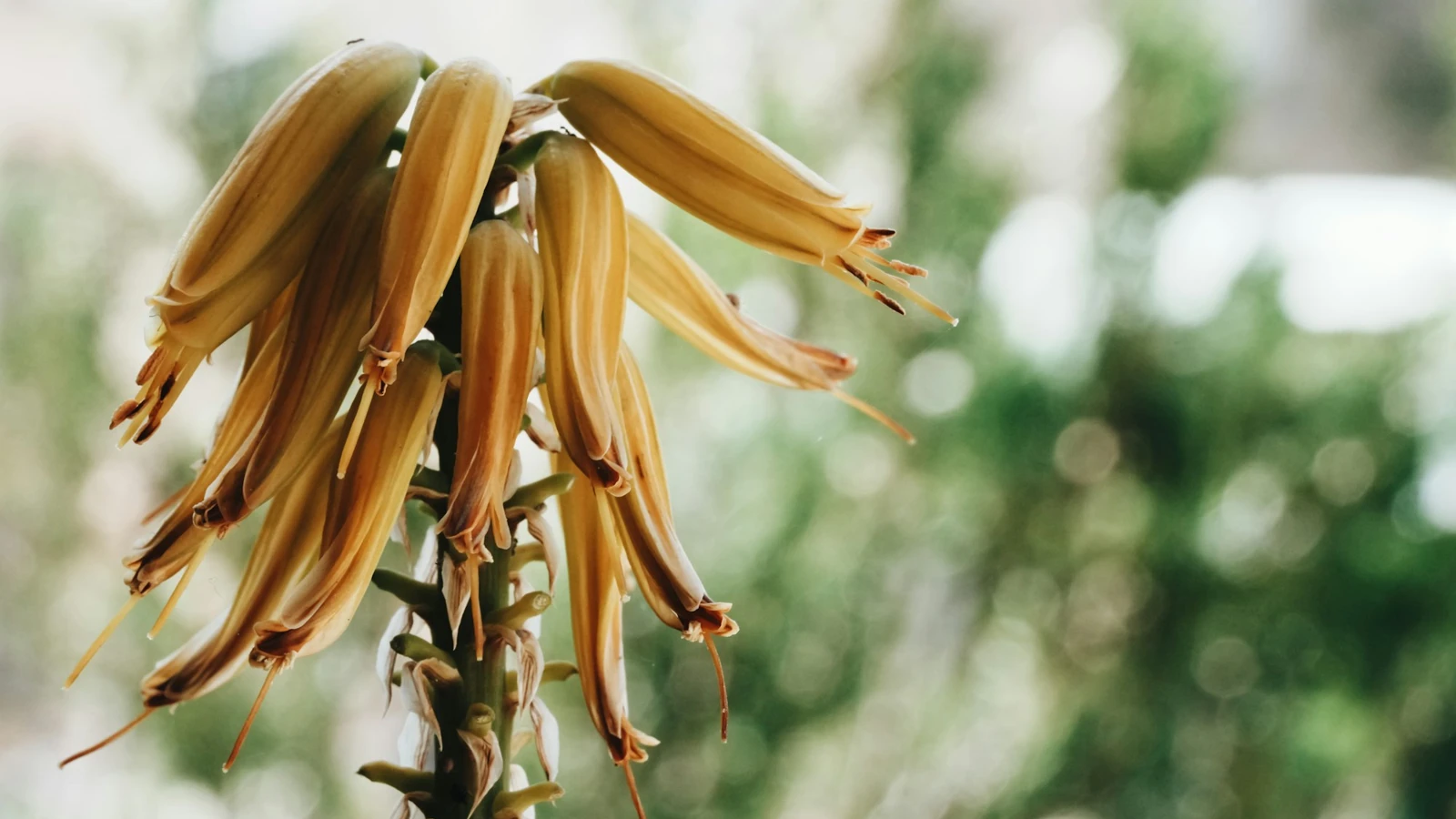
A new study supports the use of Aloe-derived substances in selected ancient Egyptian embalming-related materials, including residues from a roughly 2,700-year-old mummified head. It does not establish a universal mummy recipe or identify the exact Aloe species. The paper appeared online on 26 October 2026; Marburg University announced it the next day.
What did the researchers examine?
The PNAS paper combines chemical investigation of 24 collection objects with analysis of 41 historical texts. The objects included embalming residues, bandages, mummified body parts and preparations labelled Mumia vera aegyptiaca. These are different categories of material, not 24 equivalent ancient mummies.
The university’s account highlights two objects with Aloe-associated signals: a head dated to the eighth century BCE and an eighteenth-century medicinal preparation from the Löwen Pharmacy in Offenbach, now held in Heidelberg. The later preparation is evidence about a historical product; it must not be silently assigned the mummy’s ancient date.
What makes the chemical evidence useful?
The team used liquid chromatography with tandem mass spectrometry, or LC–MS/MS, to investigate complex mixtures. The reported signals include compounds associated with aloeresins and aloin. Comparing molecular patterns helps researchers move beyond an object’s label or appearance when considering its ingredients.
The distinction is practical: a jar labelled “mummy medicine” records how someone classified a product. A chemical profile tests what survives in that product. Neither alone reconstructs every ingredient, manufacturing step or later episode of handling.
Aloe does not automatically mean Aloe vera
Marburg distinguishes botanical Aloe from agarwood, which older uses of the word “aloe” could also describe. The chemical findings point toward the Aloe genus. Naming Aloe vera as the established ancient species would go beyond that conclusion.
The authors also propose that an unresolved Egyptian plant term may refer to Aloe or an Aloe-derived product. That is a textual identification to test, rather than a translation now settled by a chemical instrument.
Why two objects cannot tell us how common its use was
The collection is a mixture of objects selected from surviving holdings. It is not a representative survey of Egyptian burial practices. “Two of 24” therefore cannot be converted into a claim that a particular percentage of Egyptians used Aloe. It also does not show that all other balms lacked it.
Earlier research already shows why individual contexts matter. A 2023 study of Senetnay’s canopic jars identified mixtures including oils or fats, beeswax, bitumen and plant resins. Differences between the jars might reflect different formulations or different degradation histories. That separate investigation provides context, not additional confirmation of Aloe in the new samples.
A real embalming object—and a necessary image distinction
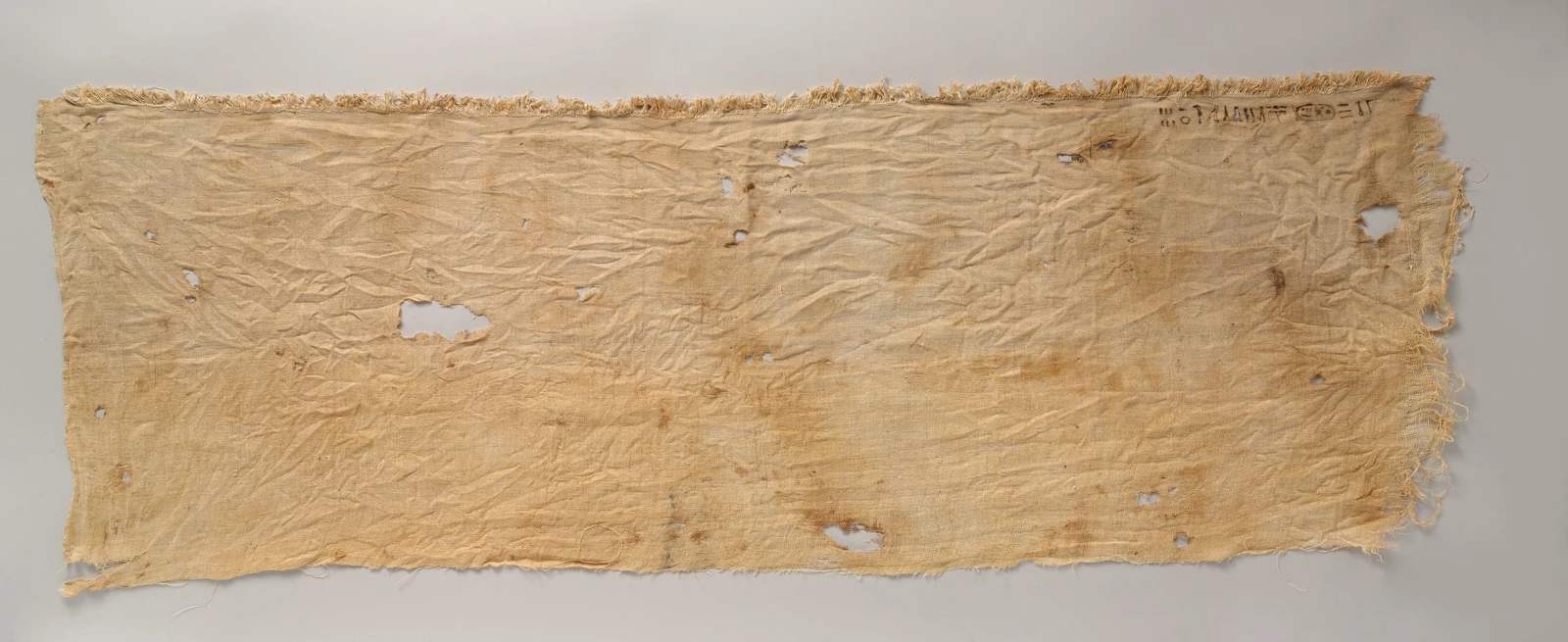
The photograph above shows linen from Tutankhamun’s embalming cache, Metropolitan Museum object 09.184.220. It is an example of surviving embalming material, not a specimen tested in this study. The museum explains that the cache contained linen and natron; it was initially mistaken for the king’s tomb before its function was recognized.
It illustrates a wider reading habit: check the object number, date and caption before treating a museum photograph as proof of a new result. The flowering Aloe in the cover is likewise a modern contextual photograph, not an ancient sample or confirmation of the species used.
What was Mumia vera, and did the study prove a medicine?
Merck’s historical account documents the trade in mummy-derived preparations under names such as Mumia pulvis. That later pharmaceutical history must be distinguished from the original Egyptian funerary purpose.
The new study reports a modest protective effect of one historical extract in influenza-infected cell cultures. This does not establish a treatment for people, identify Aloe as the active ingredient, or validate consuming mummy material. A laboratory signal and a clinically effective medicine require very different evidence.
What is the discovery’s real value?
It gives researchers a new ingredient hypothesis to test against more specimens and historical descriptions. To follow the evidence, ask: which object, which chemical signal, which proposed plant, and which uncertainty remains? Keeping those questions separate preserves the discovery’s value without turning a limited sample into a complete “secret of mummification.”
For another Egyptian excavation with separate evidence and dates, read our guide to Sabu and Ptahshepses at Saqqara.
Sources and image credits
- Berger et al. — PNAS, 26 October 2026
- Marburg University — 27 October 2026
- Huber et al. — Senetnay’s balms, 2023
- The Met — linen, object 09.184.220
- Merck — historical Mumia preparations
Reviewed on 3 November 2026 using the public PNAS abstract and significance statement, the university report and contextual sources above; the full PNAS main text was access-restricted. Cover: Anya Chernykh / Unsplash, Unsplash License, cropped to 16:9. Linen: The Metropolitan Museum of Art, Gift of Theodore M. Davis, 1909; public-domain image, resized and converted to WebP.
You may also like
 History & Archaeology
Weni’s Tomb at Saqqara: Wooden Figures and the Bronze-Tool Mystery
Weni’s newly announced Saqqara tomb contains rare wooden figures and bronze tools. Explore the evidence, their locations, and…
 History & Archaeology
A Cat Walked Across This Manuscript 500 Years Ago—Its Paw Prints Remain
Real cat paw prints survive on a 15th-century manuscript. See the original photo, identify Walters W.305, and separate…
 History & Archaeology
Why Were Books Chained in Libraries? The History Behind Chained Books
Why libraries chained their books, how readers used them and why the page edges faced out. Includes documented…