
2026 Nobel Prize in Medicine: How Scientists Learned to Control Brain Cells With Light
The 2026 Nobel Prize in Physiology or Medicine honors Karl Deisseroth, Peter Hegemann and Georg Nagel for work that made optogenetics possible—a technique that lets researchers control selected cells using light.
Contents
- What is optogenetics?
- Why algae mattered
- Why this was a breakthrough
- How does light change a neuron?
- Do scientists shine light through the skull?
- What has optogenetics taught us?
- Does optogenetics already treat patients?
- Why the technique is more than a 'brain flashlight'
- Who are the 2026 laureates?
- Frequently asked questions
- Is optogenetics genetic modification?
- Can optogenetics read thoughts?
- Could it cure Alzheimer's or schizophrenia?
- Sources
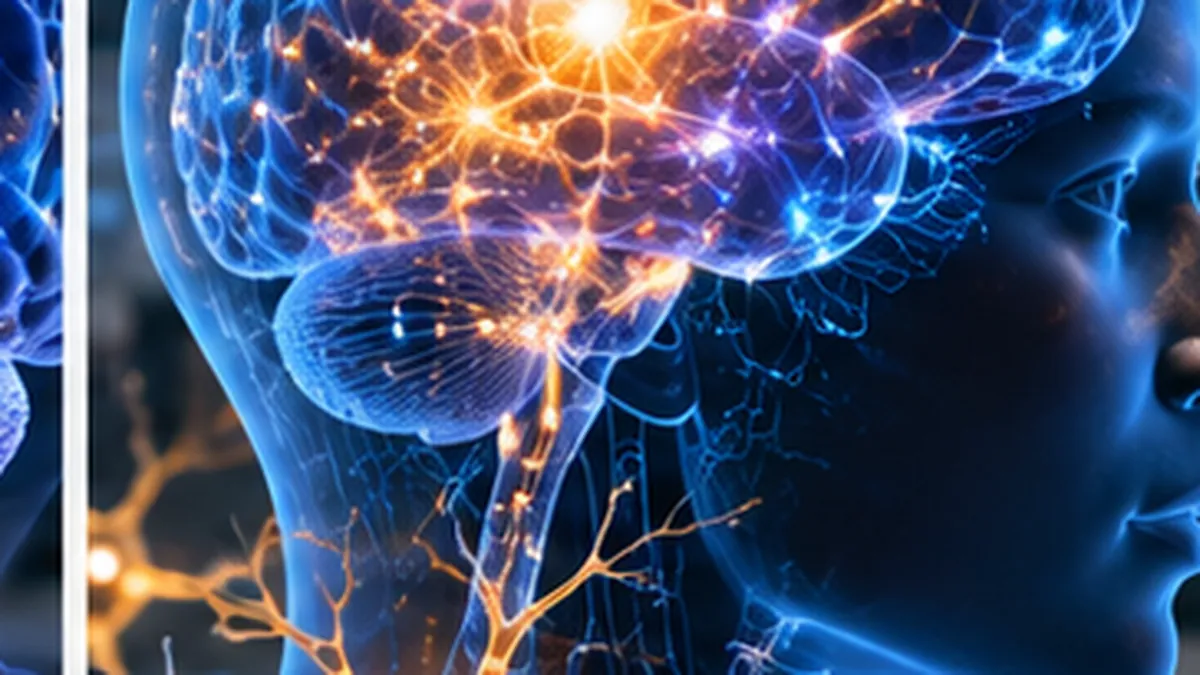
One of modern neuroscience’s most powerful tools began with an unusual question: could a beam of light be used like a switch for selected living cells?
The 2026 Nobel Prize in Physiology or Medicine was awarded to Karl Deisseroth, Peter Hegemann and Georg Nagel for discoveries and developments that helped make optogenetics possible—a method that allows scientists to control specific cells, especially neurons, using light.
What is optogenetics?
Optogenetics combines genetics and light. Researchers introduce genes that make selected cells produce light-sensitive proteins. Once those proteins are present in the cell membrane, pulses of light at particular wavelengths can change the cell’s electrical activity.
In neuroscience, that means researchers can activate or silence carefully selected neurons while observing how a circuit affects movement, perception, memory, emotion or behavior.
Why algae mattered
A key part of the story came from light-sensitive proteins found in microorganisms such as algae. Hegemann and Nagel helped characterize light-gated ion channels that respond quickly to illumination.
These proteins provided the biological switch. Deisseroth and collaborators then helped adapt the approach so light-sensitive channels could be expressed in selected neurons and used to control neural circuits with remarkable timing.
Why this was a breakthrough
The brain contains billions of neurons arranged in dense, overlapping networks. Older methods often affected many cell types at once or lacked millisecond-level control. Optogenetics lets scientists target defined populations of cells and turn them on or off with precise timing.
How does light change a neuron?
Neurons communicate through electrical and chemical signals. A light-gated channel can open when exposed to the right wavelength, allowing charged ions to cross the cell membrane. Depending on the protein used, this can make a neuron more likely to fire or can suppress activity.
Do scientists shine light through the skull?
In many research experiments, light is delivered close to the target tissue using specialized optical equipment. The exact method depends on the organism, tissue depth and experimental design. Newer approaches are also exploring less invasive ways to deliver or trigger light-sensitive systems.
What has optogenetics taught us?
- Which neural circuits contribute to particular behaviors.
- How groups of neurons interact during learning and memory.
- How brain networks change in models of neurological and psychiatric disease.
- How sensory and motor circuits are organized.
- How precise control of cell activity can test cause-and-effect relationships rather than simple correlations.
Does optogenetics already treat patients?
Optogenetics is primarily a research tool, and many potential medical applications remain experimental. It has inspired clinical research, including approaches related to vision and neural disorders, but it should not be described as a routine treatment for brain diseases.
Why the technique is more than a ‘brain flashlight’
The real power comes from selectivity. Light alone does not magically control ordinary neurons. Researchers first need a biological mechanism that makes specific target cells sensitive to that light. Genetics provides that selectivity; optics provides the timing.
Who are the 2026 laureates?
Karl Deisseroth is known for pioneering the use of optogenetics to investigate neural circuits. Peter Hegemann and Georg Nagel made foundational discoveries involving light-sensitive channel proteins. Their work converged into a toolkit now used widely across neuroscience.
Frequently asked questions
Is optogenetics genetic modification?
In research settings, it commonly involves introducing genetic instructions that make selected cells express light-sensitive proteins.
Can optogenetics read thoughts?
No. It is a method for manipulating and studying defined cell populations under controlled experimental conditions, not a general technology for reading private thoughts.
Could it cure Alzheimer’s or schizophrenia?
The technique helps researchers understand circuits relevant to many conditions, but understanding a circuit is not the same as having an approved cure.
Sources
You may also like
 Science & Curiosities
 Why Can’t We Remember Being a Baby? The Science of Childhood Amnesia
Why can’t adults remember infancy? Explore hippocampal research, a 2026 scientific review and what early memories really mean.
 Science & Curiosities
 How False Memories Form: Why Your Brain Can Remember Things That Never Happened
Why false memories can feel vivid and true. Understand the misinformation effect, source confusion and practical ways to…
 Science & Curiosities
 Scientists Found an Archaeon With a Record-Tiny Genome — Is This Near the Minimum Needed for Life?
Candidatus Sukunaarchaeum mirabile has just 189 protein-coding genes and the smallest known archaeal genome, offering new clues about…