
NeeDoh Toy Safety Warning 2026: Microwave Burn Risks, Fake Squishy Toys and What Parents Should Know
What the 2026 CPSC squishy toy warning means, why microwaving NeeDoh is dangerous, how to spot suspicious toys and what to do after a burn.
Contents
- What happened in the 2026 squishy toy safety warning?
- Is NeeDoh safe to microwave?
- Why can heated squishy toys cause severe burns?
- Genuine NeeDoh versus counterfeit squishy toys: what can you actually check?
- When should you stop using a squishy toy?
- What to do if a squishy toy causes a burn
- How to check for an actual recall
- How parents and schools can reduce the risk
- Does “non-toxic” mean the filling is safe to eat?
- Bottom line
- Original sources
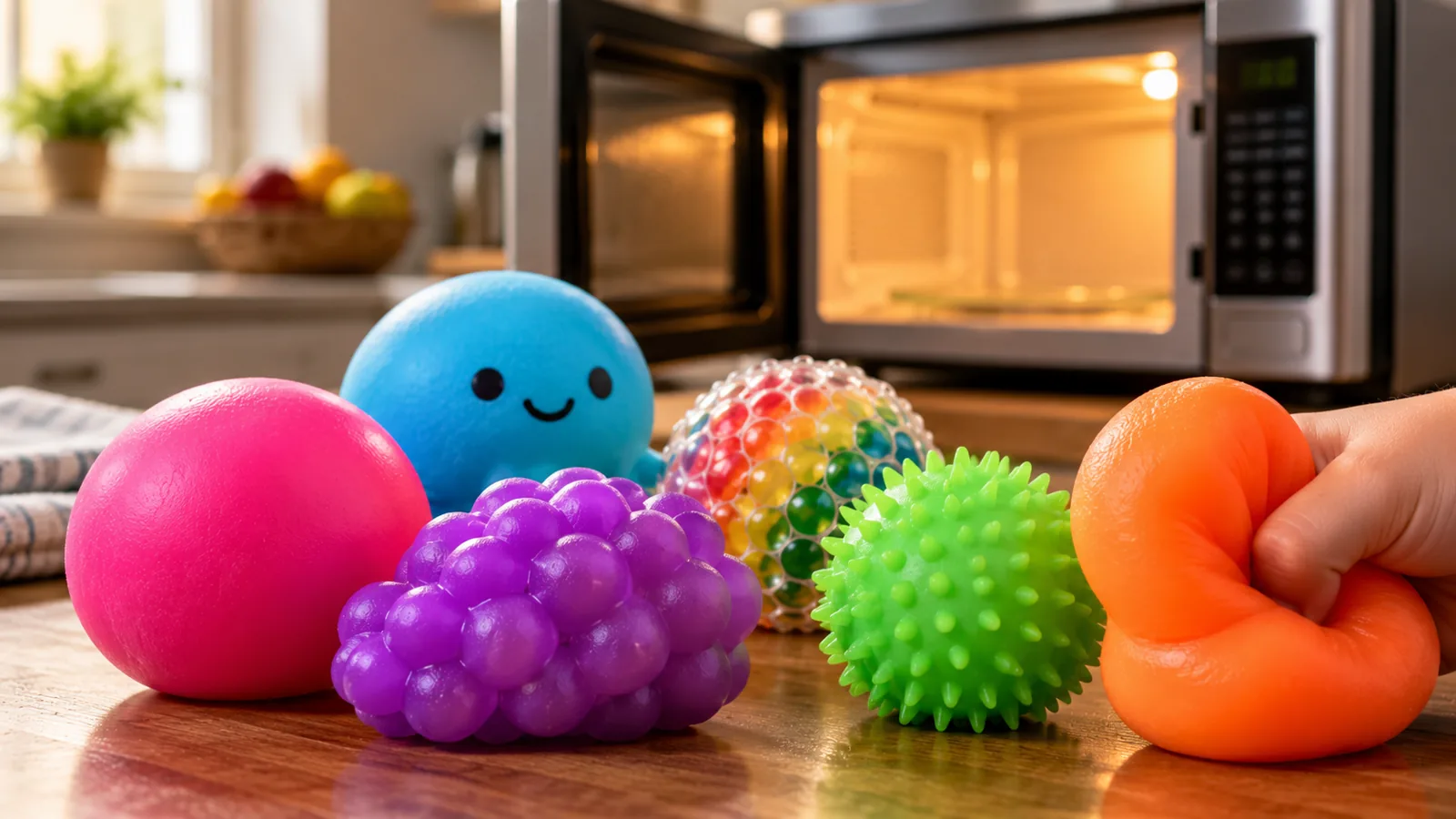
Never microwave a NeeDoh or any squishy toy. The US Consumer Product Safety Commission (CPSC) warned on August 5, 2026, that heated squishy toys can burst and cause serious burns. Its alert also highlights counterfeit toys that may fail children’s product safety requirements. This guide explains what the warning actually covers, how to inspect a toy, and what parents should do if a toy leaks or causes an injury.
What happened in the 2026 squishy toy safety warning?
The CPSC issued a consumer safety alert about fake and counterfeit squishy toys and reiterated its warning against a social-media trend involving heating them in microwave ovens. The agency said heating can cause toys to burst and release hot filling that sticks to skin and makes burns worse. The alert addresses the broader squishy-toy market: it is not a blanket recall of every genuine NeeDoh product. Parents should check individual recall notices rather than assume a specific brand or model was recalled.
Is NeeDoh safe to microwave?
No. Schylling, the maker of NeeDoh, explicitly warns on its product pages: “Do NOT heat, freeze, or microwave, may cause personal injury.” A toy marketed as non-toxic is not necessarily safe to heat, ingest, puncture or use outside the age and handling instructions. Do not attempt online “softening” or expansion hacks with a microwave, oven, boiling water, radiator or hot car.
Why can heated squishy toys cause severe burns?
A soft outer shell can conceal filling that becomes dangerously hot. Heating may raise internal pressure or damage the material, allowing hot contents to escape suddenly. CPSC says sticky filling can cling to skin and keep transferring heat after a burst. The risk is not limited to a microwave: direct sunlight, a hot vehicle and heaters can also overheat some squishy toys.
Genuine NeeDoh versus counterfeit squishy toys: what can you actually check?
Packaging clues are useful but not foolproof. A professional-looking box does not guarantee authenticity, and a low price alone does not prove a toy is fake. The following checks are practical screening steps, not a definitive authentication test.
- Buy from the manufacturer or a retailer with identifiable contact and returns information.
- Look for the manufacturer or importer name, age grading, relevant warnings and legible packaging.
- Treat misspellings, unusually poor printing and missing safety information as warning signs.
- Compare the model and safety warnings with the official Schylling product page when buying NeeDoh.
- Inspect for punctures, leaking filling, strong chemical odors, an oily or sticky surface, or material that tears unusually easily.
- Avoid unverified claims that a toy is “microwave-safe” or “heat-activated.”
When should you stop using a squishy toy?
Stop play immediately if the shell is split, punctured, leaking, sticky, discolored or visibly deteriorating. Keep the damaged item and its filling away from children and pets. Do not allow anyone to taste, swallow or inhale released material. If the toy is hot or has burst, avoid direct contact with the contents and let the area become safe before cleanup.
What to do if a squishy toy causes a burn
- Move the child away from the heat source and prevent further contact with hot filling.
- Cool the affected skin under cool running water for at least 20 minutes, as the CPSC advises. Do not apply ice.
- Gently clean remaining material with mild soap and water without scrubbing injured skin; do not pull away material firmly stuck to a burn.
- Cover with a sterile nonstick dressing after cooling.
- Seek prompt medical attention for a severe burn, a burn involving a young child, burns to the face or hands, or signs of infection. Call emergency services for a major injury.
Do not use butter, toothpaste or other home remedies. If filling gets into an eye, rinse gently with clean water and seek urgent medical guidance. If a child swallows filling, contact poison control or a healthcare professional and provide the packaging if available. In the US, Poison Control is available at PoisonHelp.org or 1-800-222-1222.
How to check for an actual recall
A general safety alert and a product-specific recall are different. Search the CPSC recall database using the brand, model and product details. In the UK, consult the government’s product safety alerts and recalls. If your toy is covered by a recall, follow the exact remedy instructions rather than improvising repairs.
How parents and schools can reduce the risk
- Explain clearly that squishy toys are for squeezing, not cooking, freezing, cutting or opening.
- Keep toys away from microwaves, heaters and hot cars.
- Respect model-specific age restrictions; many NeeDoh models are labeled for ages 3 and up and warn about choking hazards.
- Check shared classroom toys regularly for damage and remove damaged items.
- Supervise younger children and children likely to mouth objects; choose age-appropriate alternatives when necessary.
- Report unsafe products to the CPSC through SaferProducts.gov in the US.
Does “non-toxic” mean the filling is safe to eat?
No. The term does not make a toy edible, nor does it override choking warnings or manufacturer directions. Different squishy products use different materials; avoid assuming every toy has the same filling. If a product leaks, treat its contents as an unknown substance until the manufacturer or a medical professional provides specific guidance.
Bottom line
The important 2026 message is straightforward: never heat squishy toys, inspect them regularly, and be cautious about counterfeit or poorly labeled products. The CPSC warning covers the category broadly and should not be misrepresented as a universal recall of genuine NeeDoh toys. For a suspected defective item, verify the exact product and consult official recall guidance.
Original sources
You may also like
 Health & Safety
Bomberry Recall: Affected Products, Dates and Refunds
Check the Bomberry 150g recall, affected flavours and best-before dates. Follow retailer-return or manufacturer email refund instructions in…
 Health & Safety
What Are Peptides? Approved Medicines vs Online Products
Understand peptides, approved medicines and unapproved online products. Check Australian registration, safety warnings and questions to ask your…
 Health & Safety
Miyoko’s Butter Recall 2026: Affected Lot Codes, Best-By Dates and Refunds
Check the Miyoko’s butter recall by product, UPC, lot code and best-by date. Compare salted and unsalted notices…