
NeeDoh Squishy Toy Safety: Why You Should Never Microwave It and What to Do After a Burn
A practical guide to NeeDoh microwave burns, safe first aid and prevention.
Contents
- Why NeeDoh microwave safety is in the news
- What can happen when a squishy toy is heated?
- What to do immediately if a toy bursts and burns someone
- What if the filling is on the skin?
- Heating accidents and ordinary-use complaints are not the same
- How parents can prevent a repeat incident
- Explain the hazard without demonstrating it
- Make the household rule easy to follow
- Treat viral tips as unverified experiments
- How to check a product or report an incident
- What this means for consumers
- Original sources and further reading
Updated: October 19, 2026
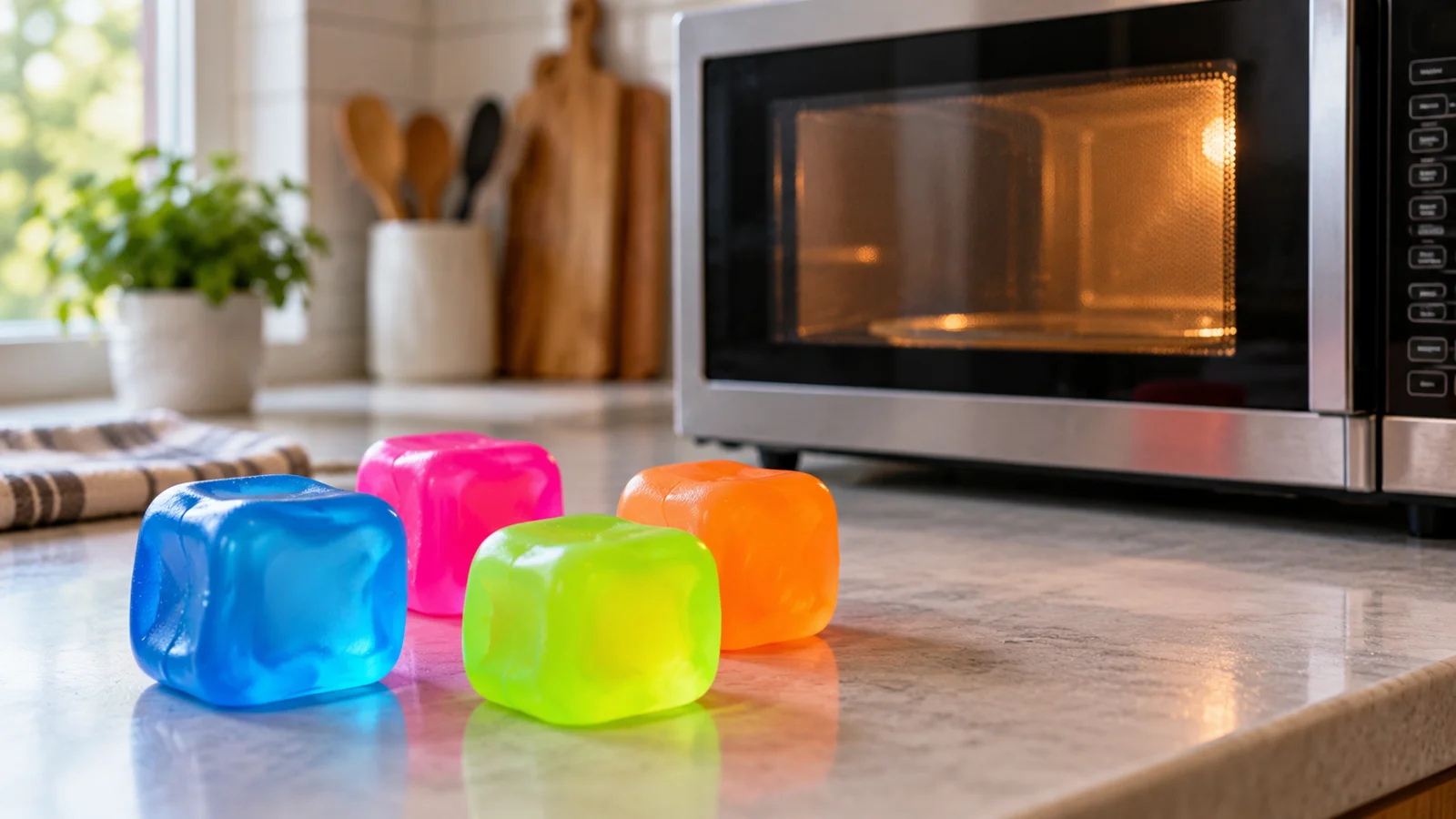
The essential advice: Never put a NeeDoh squishy toy in a microwave, oven, hot water, or a hot car to change its texture. The manufacturer warns against heating or freezing its products. A heated sensory toy can rupture and release hot contents onto skin. If someone is burned, move away from the source, cool the affected skin under cool running water for 20 minutes, and seek urgent medical assessment for a serious burn, a child's burn, or burns involving the face, hands, or other sensitive areas. Do not use ice, butter, or adhesive dressings.
Why NeeDoh microwave safety is in the news
Videos encouraging children to warm squishy toys to make them softer have prompted warnings from doctors and the maker of NeeDoh, Schylling. This is not a recommended care method. The important distinction is between an ordinary toy being used as directed and a toy that has been heated or otherwise modified. Heating can create a new burn hazard even if the product normally feels soft and harmless.
A publicly available report in the US Consumer Product Safety Commission's SaferProducts database describes a nine-year-old girl who sustained second-degree burns after a NeeDoh Dream Drop was microwaved by another child. The report says she was admitted to a burn center and underwent surgery. This is a consumer incident report, not a final regulatory determination of product defect or the frequency of injuries. Read the original incident report.
What can happen when a squishy toy is heated?
A sensory toy may have a flexible outer shell and a soft internal filling. When a filled object is heated unevenly, some material can become dangerously hot while the outside gives little warning. If the shell tears or bursts when handled or squeezed, hot contents may contact the skin. The severity of an injury depends on temperature, contact time, the amount of material and the area affected. No home test can establish a safe microwaving time: do not experiment with any heating duration or power level.
Schylling has explicitly warned that microwaving, heating, or freezing NeeDoh toys is dangerous. See its product information and the manufacturer's warning reported in CNN's coverage.
What to do immediately if a toy bursts and burns someone
- Stop the exposure. Move the person away from the heated toy. Do not squeeze, open, or pick up a damaged hot toy with bare hands.
- Cool the affected skin. For a heat burn, hold it under cool running water for 20 minutes, ideally as soon as possible. Keep the rest of the person warm, especially a young child.
- Remove nearby rings or loose clothing before swelling develops, but do not pull away anything stuck to the skin.
- Cover loosely after cooling. A clean non-stick dressing or a layer of cling film laid over—not tightly wrapped around—the burn can protect it while medical help is arranged.
- Get medical help. Seek emergency care for deep or extensive burns, burns of the face, hands, genitals or joints, breathing difficulty, or any serious injury. Burns in children deserve a low threshold for professional assessment. In the UK, use 999 for emergencies or NHS 111 for non-emergency advice. In the US, call 911 for emergencies.
Do not apply ice, butter, oils or toothpaste. Do not pop blisters. Do not delay emergency care to try home remedies. These steps follow NHS burns and scalds guidance and NHS burns first aid.
What if the filling is on the skin?
Do not assume every exposure is simply a heat burn or that every toy has the same ingredients. If a hot filling has caused a burn, begin cooling the skin with running water and obtain medical advice. If an unheated filling contacts skin or eyes, stop play, avoid rubbing, rinse exposed skin or eyes with water, and contact a poison center or clinician for product-specific advice. Keep the packaging or a photograph of the product identification for healthcare professionals. For a suspected chemical burn, urgent medical assessment is appropriate; see NHS chemical burn guidance.
Heating accidents and ordinary-use complaints are not the same
| Toy deliberately microwaved or heated | Hot filling and rupture may cause thermal burns | Never heat it; treat an injury as a burn and seek care |
|---|---|---|
| Toy left in a very hot environment | Heat-related damage or unexpectedly hot contents | Do not squeeze a hot or deformed toy; let an adult isolate it safely |
| Toy tears during normal play | Contact with filling, possible irritation or ingestion hazard | Stop using it, prevent contact and ingestion, follow packaging advice |
| Toy appears intact during normal play | Follow the age rating and product instructions | Supervise according to the label; inspect for damage |
A 2025 Consumer Reports letter to the CPSC raised separate questions about reported injuries involving gel-filled sensory toys. Those reports should not be treated as proof that all NeeDoh products cause chemical burns. Similarly, a heating-related injury does not by itself establish that an intact toy is unsafe when used as directed. The precise product, circumstances and findings matter.
How parents can prevent a repeat incident
Explain the hazard without demonstrating it
Tell children: “A squishy toy is not food, and it does not belong in a microwave. Heating it can make the inside dangerously hot even when the outside looks normal.” Avoid replaying a dangerous demonstration or suggesting a time that might seem safe.
Make the household rule easy to follow
Keep sensory toys away from kitchen appliances and direct heat. Check packaging for age recommendations and warnings. If a toy has already been heated, is leaking, or looks damaged, stop using it rather than testing whether it still works.
Treat viral tips as unverified experiments
A social media clip is not a safety test. A demonstration that appears harmless in one video cannot establish safe use across different toy models, fillings, temperatures or children. Follow the manufacturer’s care instructions instead.
How to check a product or report an incident
In the US, use the CPSC recalls database to look for official recall notices and SaferProducts.gov to submit or read consumer incident reports. An incident report is an allegation that may not have been independently verified; a recall is a separate official action. In the UK, check the UK product safety alerts and recalls service. Retain photographs, packaging, model information, purchase records and relevant medical documentation if reporting an incident.
What this means for consumers
The practical takeaway is narrow but important: never microwave or otherwise heat NeeDoh squishy toys. If a burn occurs, cool it promptly and obtain appropriate medical care. Keep separate the evidence about misuse involving heat from reports about leakage during ordinary play, and look to official safety notices rather than viral demonstrations for product-specific decisions.
*This article provides general safety information and is not a substitute for emergency medical care or individual medical advice.*
Original sources and further reading
You may also like
 Health & Safety
Bomberry Recall: Affected Products, Dates and Refunds
Check the Bomberry 150g recall, affected flavours and best-before dates. Follow retailer-return or manufacturer email refund instructions in…
 Health & Safety
What Are Peptides? Approved Medicines vs Online Products
Understand peptides, approved medicines and unapproved online products. Check Australian registration, safety warnings and questions to ask your…
 Health & Safety
Miyoko’s Butter Recall 2026: Affected Lot Codes, Best-By Dates and Refunds
Check the Miyoko’s butter recall by product, UPC, lot code and best-by date. Compare salted and unsalted notices…