
GLP-1 Weight-Loss Drugs and Nail Changes: What the 2026 Study Found
A 2026 conference study found an association between GLP-1 medicines and nail problems. See the numbers, limitations and when to seek care.
Contents
- What did researchers report?
- What were the findings?
- Does this prove Ozempic or Wegovy caused the changes?
- What might explain nail changes?
- What should patients do?
- How strong is the evidence?
- FAQ
- Are nail changes an established side effect for everyone?
- Should I discontinue semaglutide?
- Can rapid weight loss affect nails?
- Sources and further reading
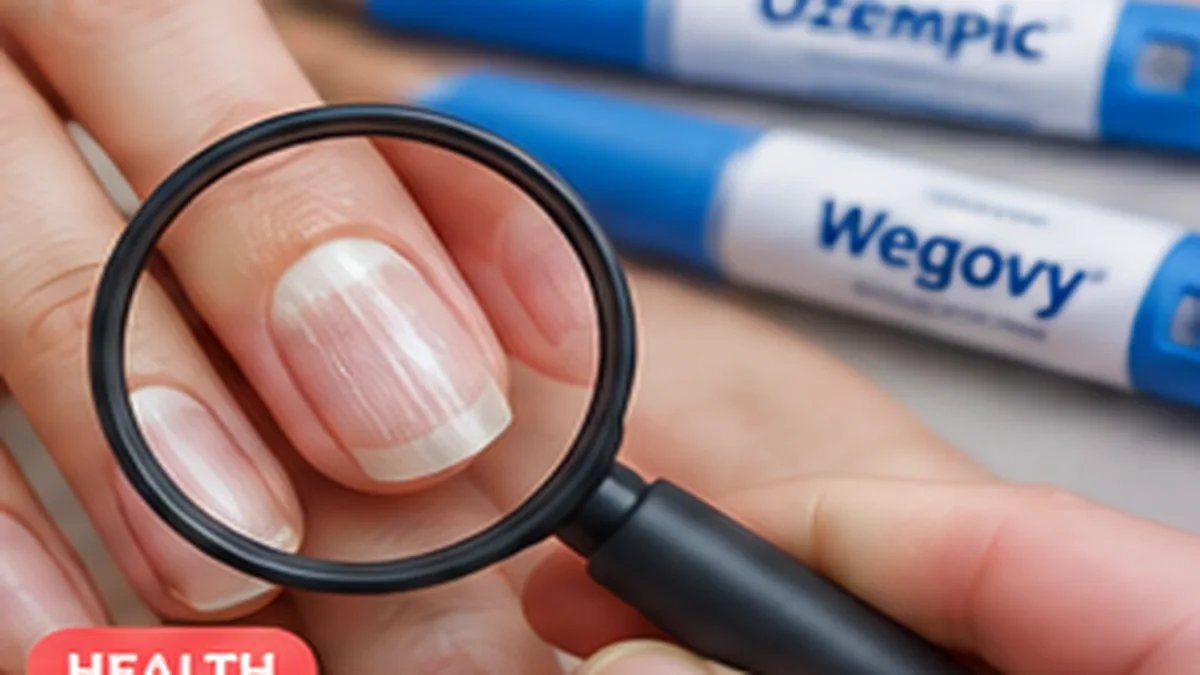
A 2026 conference study found an association between GLP-1 medicines and nail problems. See the numbers, limitations and when to seek care.
What did researchers report?
At the 2026 European Academy of Dermatology and Venereology (EADV) Congress, researchers presented a multinational case-control study examining nail changes among people using GLP-1 receptor agonists. The study included 575 users and 1,329 comparison participants with obesity and/or type 2 diabetes who had not used these medicines.
What were the findings?
Nail detachment was reported by 39% of GLP-1 users versus 9% of controls; any nail disorder was reported by 66% versus 53%. Nail discoloration was reported by 46% versus 17%. These are findings from the studied groups, not predicted risks for every person taking an individual brand.
Does this prove Ozempic or Wegovy caused the changes?
No. An observational comparison can show association, not establish causation. Some participants had nail problems before treatment. Existing skin conditions, nutritional factors, diabetes and other differences may affect the results. The study concerns GLP-1 receptor agonists as a class and should not be interpreted as a brand-specific trial.
What might explain nail changes?
Researchers are investigating several possible pathways, including nutritional changes, weight loss and underlying health conditions. The study does not establish one confirmed biological mechanism. Nail separation can also have unrelated causes, including trauma, fungal infection and skin disease.
What should patients do?
Do not stop a prescribed medicine solely because of a headline. Contact your prescriber or dermatologist if a nail separates, becomes painful, changes color or shows signs of infection. Seek prompt medical care for rapidly spreading redness, severe pain or fever. Your clinician can review medication history, other conditions and possible nutrient deficiencies.
How strong is the evidence?
The results were presented at a scientific congress. Readers should distinguish a conference report from a completed body of replicated clinical evidence. Larger prospective studies with careful adjustment are needed.
FAQ
Are nail changes an established side effect for everyone?
No. The study reports an association in its sample, not a universal effect.
Should I discontinue semaglutide?
Discuss concerns with your prescribing clinician; do not change treatment on your own.
Can rapid weight loss affect nails?
Nutritional changes may affect nails, but this study did not prove a single cause.
Sources and further reading
You may also like
 HEALTH
What Causes Sudden Brain Fog and When Should You Be Concerned?
Understand common brain fog causes, emergency warning signs, a practical symptom log and when to seek medical care.
 HEALTH
Why Do You Wake Up Tired After 8 Hours of Sleep? Science-Backed Causes and Fixes
Eight hours in bed but still exhausted? Learn about sleep apnea, circadian rhythms, fragmented sleep, medical causes, and…
 HEALTH
How Accurate Are AI Depression Detection Tools? Evidence, Risks and Limitations
Research shows promising results for some AI depression screening models, but clinical validation, bias and privacy remain major…