
Why Do Some People Age Faster Than Others? Biological Age Explained
Chronological age and biological aging are different ideas. Genes, environment and habits influence health, but no single test predicts a person’s future.
Contents
- Chronological age versus biological age
- What influences aging?
- What are epigenetic clocks?
- Can aging be slowed?
- When should you seek advice?
- Two people of the same age can differ biologically
- How epigenetic clocks are built
- Genetics, environment and cumulative exposure
- Why organs may age at different rates
- What evidence-based prevention can actually do
- How to interpret a biological-age test
- Sources and further reading
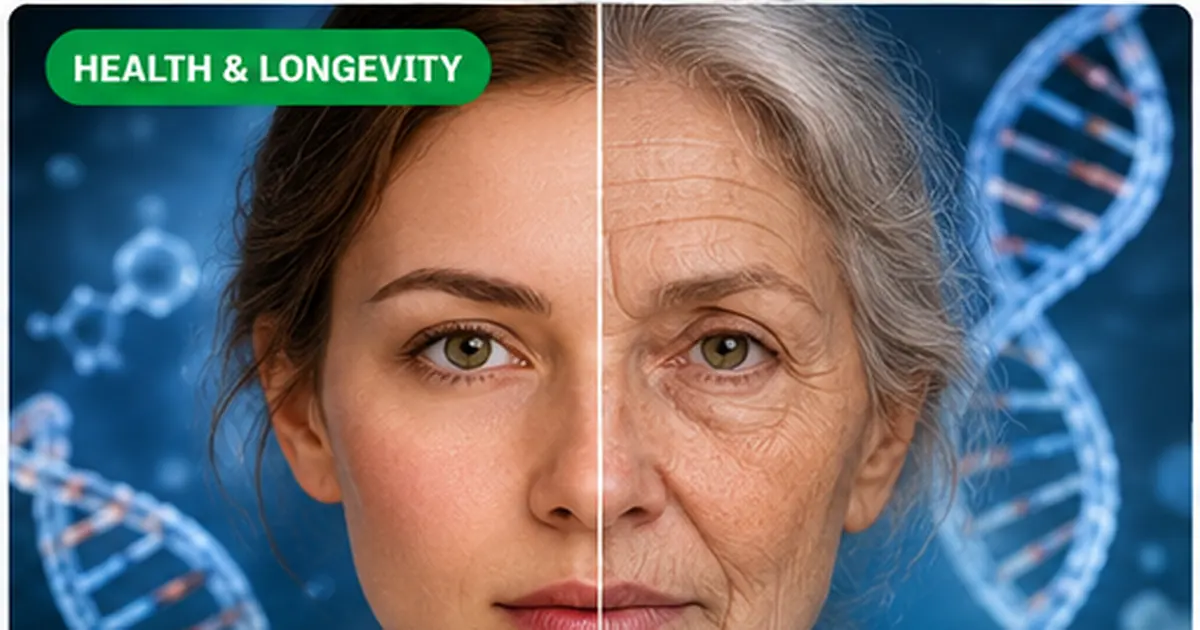
Chronological age and biological aging are different ideas. Genes, environment and habits influence health, but no single test predicts a person’s future.
Chronological age versus biological age
Chronological age is time since birth. Biological age is an attempt to summarize how cells, tissues and organs are functioning relative to age peers. Researchers use several measures; they are not interchangeable.
What influences aging?
Inherited variation, smoking, physical activity, diet, sleep, pollution, chronic illness and social conditions can shape long-term health. Associations do not mean every factor has the same effect on every person.
What are epigenetic clocks?
Some research tools estimate age from DNA methylation patterns. They can be useful in population studies, but their precision varies by model, tissue and population; a commercial score is not a medical diagnosis.
Can aging be slowed?
Evidence supports reducing smoking, staying active, maintaining a balanced diet, getting adequate sleep and controlling blood pressure and other established risks. Claims that a supplement reverses human aging need rigorous trials.
When should you seek advice?
Unexplained fatigue, weight changes or declining function deserve clinical assessment rather than reliance on an online biological-age quiz.
Two people of the same age can differ biologically
Chronological age counts years since birth. Biological age is an umbrella term for estimates of how the body’s tissues and systems are functioning relative to patterns observed in populations. Two people who are both 50 may have different blood-pressure histories, metabolic health, physical capacity and patterns of molecular change.
There is no single universally accepted biological-age number. Different tests measure different processes and may disagree for the same person. A result should be interpreted as one research or health indicator, not a definitive prediction of lifespan.
How epigenetic clocks are built
Many research clocks examine DNA methylation, chemical marks that influence how genes are regulated without changing the underlying DNA sequence. Researchers train statistical models to identify methylation patterns associated with age or health outcomes. Other approaches combine proteins in blood, clinical measures or organ-specific signals.
A clock can correlate with disease risk or mortality in a study population without proving that changing the clock reading itself will improve health. The quality of the training data, laboratory method and population being tested all affect accuracy.
Genetics, environment and cumulative exposure
Inherited traits influence susceptibility to certain conditions and aspects of longevity, but they do not determine every outcome. Smoking, air pollution, diet, activity, infections, chronic stress and access to healthcare may contribute to differences in health trajectories over decades.
The effects are not always independent. For example, income and neighborhood conditions can influence access to nutritious food, safe exercise spaces and preventive care. A useful discussion of aging therefore considers social and environmental factors as well as individual choices.
Why organs may age at different rates
The heart, kidneys, immune system and brain face different workloads and exposures. Research has explored blood-protein signatures associated with the health of particular organs. Such methods may eventually help identify risk patterns earlier, but they remain distinct from established diagnostic tests.
A high estimated age for one organ is not a diagnosis by itself. Clinicians still rely on symptoms, examinations and validated measurements such as kidney function or cardiovascular risk factors when making decisions.
What evidence-based prevention can actually do
Not smoking, being physically active, maintaining adequate sleep, eating a balanced diet and managing conditions such as high blood pressure can lower risks of several age-associated diseases. Vaccination and recommended screening also matter. These are useful goals even when no biological-age test is available.
No supplement or commercial anti-aging program has been proven to reverse human aging in a broad, lasting way. Claims of dramatic age reversal based on a small shift in a proprietary clock deserve particular scrutiny.
How to interpret a biological-age test
Before buying a test, ask what it measures, whether it has been validated in people similar to you, how variable repeat results are, and whether the number changes a clinical decision. A difference of a few years may reflect measurement noise or model choice rather than a meaningful biological shift.
For personal health, a conversation with a qualified clinician about blood pressure, blood sugar, lipids, activity and family history is often more actionable than a standalone age score.
Sources and further reading
Explore more science and technology explainers on Horus Valley.
You may also like
 Health & Science
 Why Do I Feel Dizzy When I Stand Up? Causes and Warning Signs
Learn why you feel dizzy when standing up, how orthostatic hypotension works, what to do safely, and which…