
Zolgensma Tumour Safety Alert: What the FDA Found and What Remains Uncertain
Understand the November 2026 Zolgensma tumour safety alert, the FDA findings, reported case numbers, UK advice and questions to ask your specialist team.
Contents
The FDA is investigating serious tumour risks associated with Zolgensma, a gene therapy for spinal muscular atrophy (SMA). Its 6 November 2026 notice describes evidence linking some tumours to the treatment. It also says the benefits still outweigh the potential risks for approved uses.
Evidence checked: 7 November 2026. This explainer separates the regulator’s findings, the manufacturer’s reported numbers and the questions families should discuss with their specialist team. It does not provide an individual treatment recommendation.
What did the FDA find?
In its safety communication, the FDA describes malignancy reports and three tumours associated with the GLI1 oncogene. In two cases, molecular testing found treatment-vector DNA integrated into the patient’s genome, upstream of or within GLI1. The third case’s mechanism remains under investigation. An oncogene is a gene whose abnormal activity can contribute to cancer.
The agency is reviewing whether the prescribing information and long-term safety studies adequately address the new evidence. It says patients receiving these products should be monitored for tumour formation. The notice is an investigation and safety assessment, rather than an announcement that the medicine has been withdrawn.
Where do the nine tumour reports come from?
A Novartis statement published by SMA Europe on 5 November says the company had received nine tumour reports since approval in 2019, after more than 6,000 patients had received Zolgensma across trials, access programmes and commercial treatment. It identified two cases with evidence of vector DNA integration. These are dated manufacturer-reported figures, not a complete measure of lifetime risk.
Do not divide nine by 6,000 and present the result as a patient’s cancer risk. Such a calculation would need a defined, consistently followed population, an observation period and a reliable account of how cases were identified. A report after treatment and a tumour with molecular evidence of a treatment-related mechanism also answer different questions.
How can a gene therapy be involved?
The European Medicines Agency’s medicine overview explains that Zolgensma supplies a functional copy of SMN1, the gene affected in SMA. The treatment is given once by intravenous infusion under specialist supervision. Its purpose is to help the body produce a protein needed by the nerves that control movement.
The safety question concerns what happens to the delivery vector’s genetic material in particular cells over time. A treatment can have an important intended effect and still require investigation of an unintended effect. Demonstrating a mechanism in selected tumour samples does not, by itself, tell families how frequently that mechanism occurs in everyone treated.
Does the alert also mention Itvisma?
Yes. FDA says the identified risk applies to both Zolgensma and Itvisma because they use the same vector and construct. It reports no neoplasia cases following Itvisma administration to date.
The product names should not be treated as interchangeable when discussing a patient’s history. Bring the exact treatment name, treatment date and the relevant safety notice to the clinical team, rather than relying on a social-media summary about “gene therapy” in general.
Why do the US notice and UK advice sound different?
A 6 November statement from the UK National Multidisciplinary Team, published by Muscular Dystrophy UK says it was not recommending changes to routine care, extra scans, tests or monitoring on the information then available. It directs families with concerns to their child’s neuromuscular team. The statement concerns the UK context and was issued while the evidence was developing.
That advice and a regulator’s broader monitoring statement are not a universal screening timetable. They have different audiences and scopes. Ask the treating service which guidance applies in your country and whether subsequent advice has changed. Do not arrange a particular scan solely because an article mentions a tumour risk.
Questions to take to the specialist team
- Does this safety information apply to the exact medicine my child received or is being offered?
- Has your centre received updated guidance since 6 November 2026?
- Does our existing follow-up plan need to change, and who will tell us if it does?
- Which changes or symptoms should we report, and through which contact route?
- How should we weigh the known benefits, new safety evidence and available options in this individual case?
Keep scheduled follow-up appointments and discuss concerns with the treating team. A new safety notice deserves a clinical conversation; it is not a reason to cancel care or alter prescribed medicines without advice. Families considering treatment should ask for an explanation of both the expected benefit and the remaining uncertainty.
What would materially change this assessment?
- A new regulatory decision or revised prescribing information.
- Further molecular analysis of reported tumours.
- Long-term follow-up evidence that permits a better estimate of risk.
- Updated clinical recommendations from the treating service or national specialist team.
This is why the date on a safety article matters. An older general product overview can explain what a medicine does, but it should not replace a newer safety communication. Likewise, an early statement should not be quoted as though it settles all future monitoring decisions.
Sources and image credit
- FDA: investigation of malignancy risk, 6 November 2026.
- EMA: Zolgensma medicine overview and product information.
- SMA Europe: safety concerns and manufacturer statement, 5 November 2026.
- Muscular Dystrophy UK: National MDT statement, 6 November 2026.
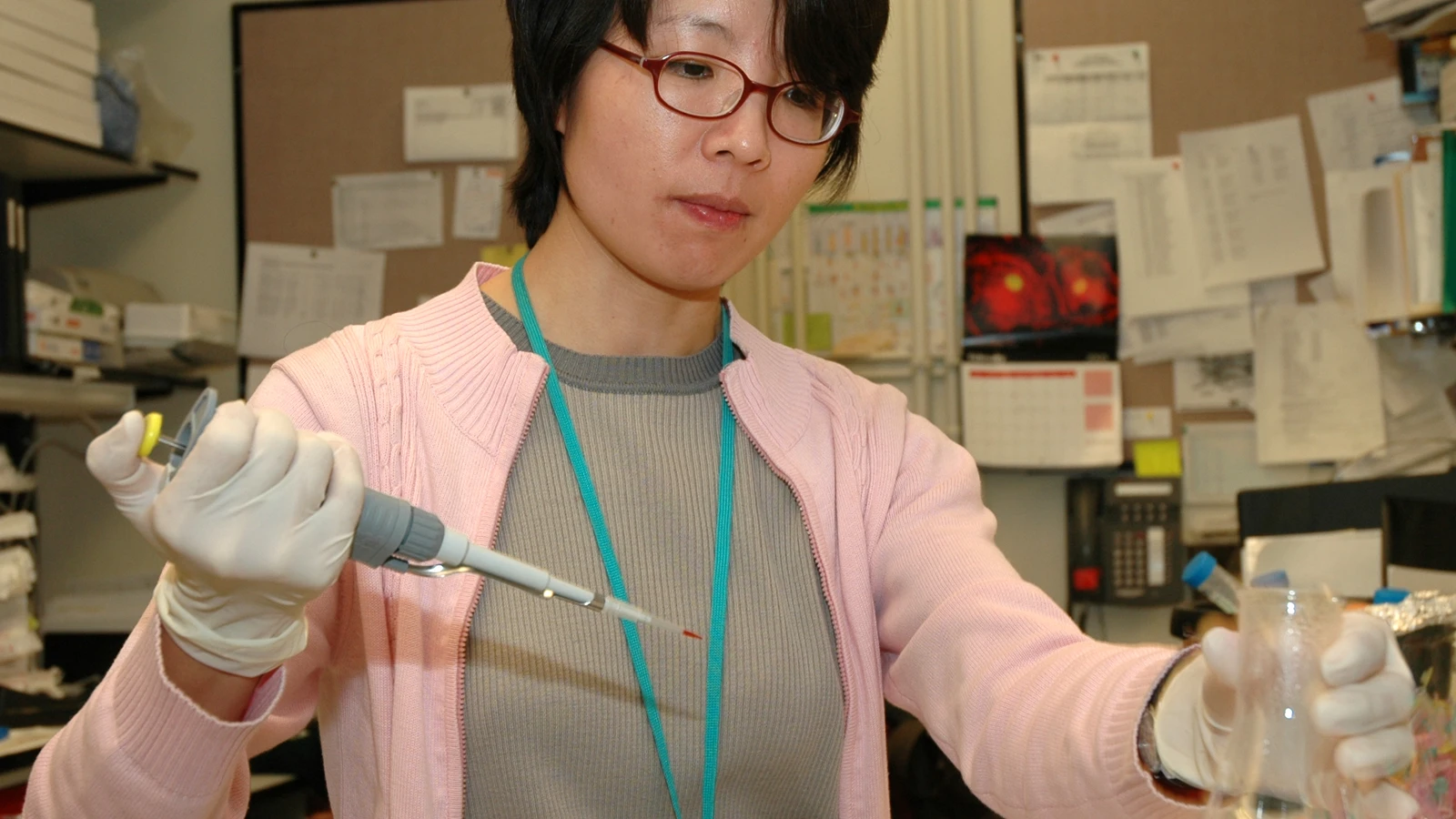
Image: Diane A. Reid / National Cancer Institute, Pipetting (2005), public domain. Cropped and resized to 1600×900 and converted to WebP. This archival laboratory photograph illustrates research; it does not show Zolgensma manufacture, a patient, or the investigation described here.